
Services
Why XR?
XR, or Extended Reality, represents a collective suite of immersive technologies encompassing VR (Virtual Reality), AR (Augmented Reality), and MR (Mixed Reality). VR (and other immersive technologies) capabilities shine especially in situations characterized by the DICE framework:
D.I.C.E.
DANGEROUS
IMPOSSIBLE
COUNTERPRODUCTIVE
EXPENSIVE
Courtesy of Rob Theriault’s Presentation Slide
Why Metaverse?
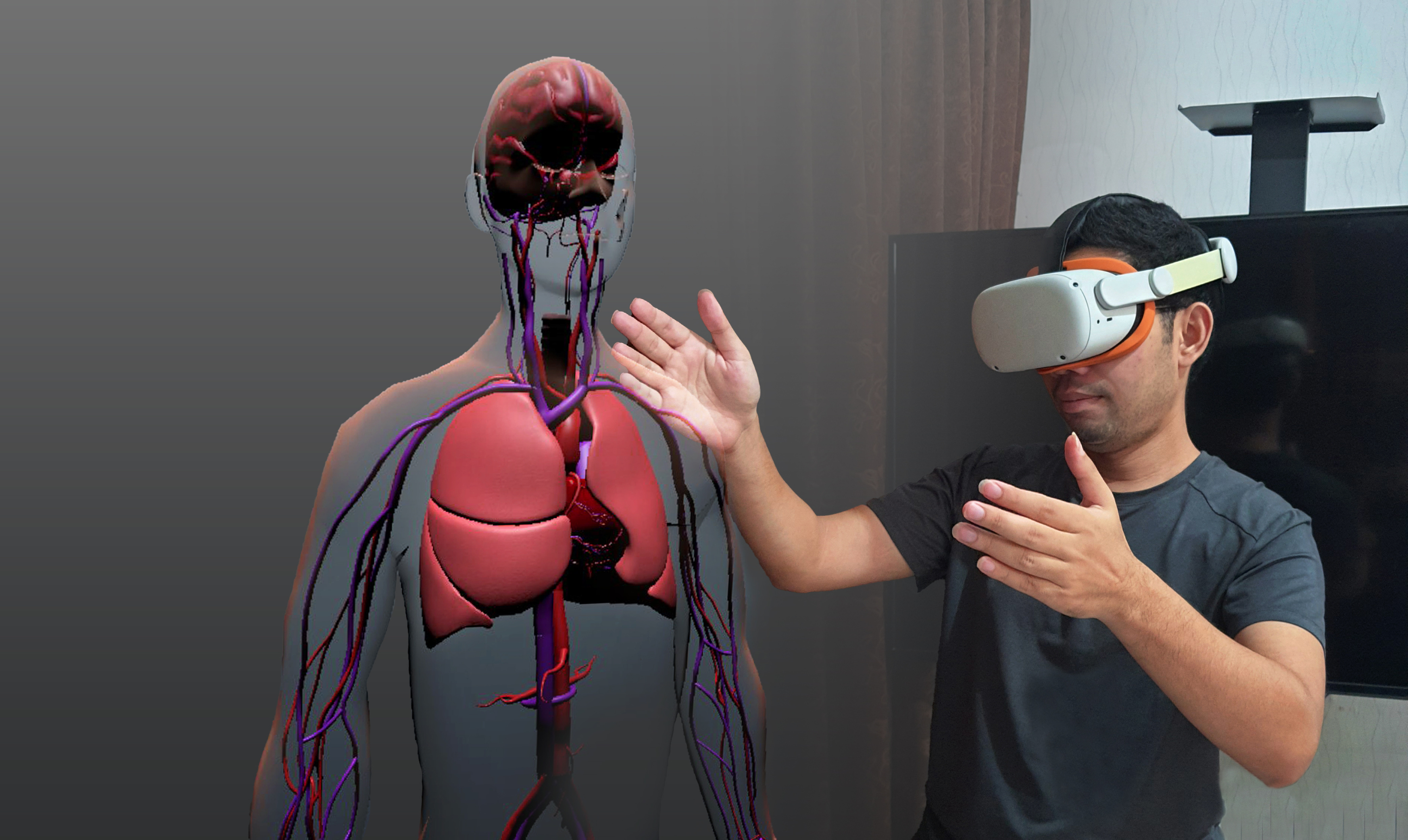
The metaverse, a virtual shared space, offers new solutions for healthcare. It creates a digital world where people can interact, opening up new ways to collaborate and address healthcare challenges.
VR/AR/METAVERSE IN MEDICAL AND HEALTHCARE PROJECTS
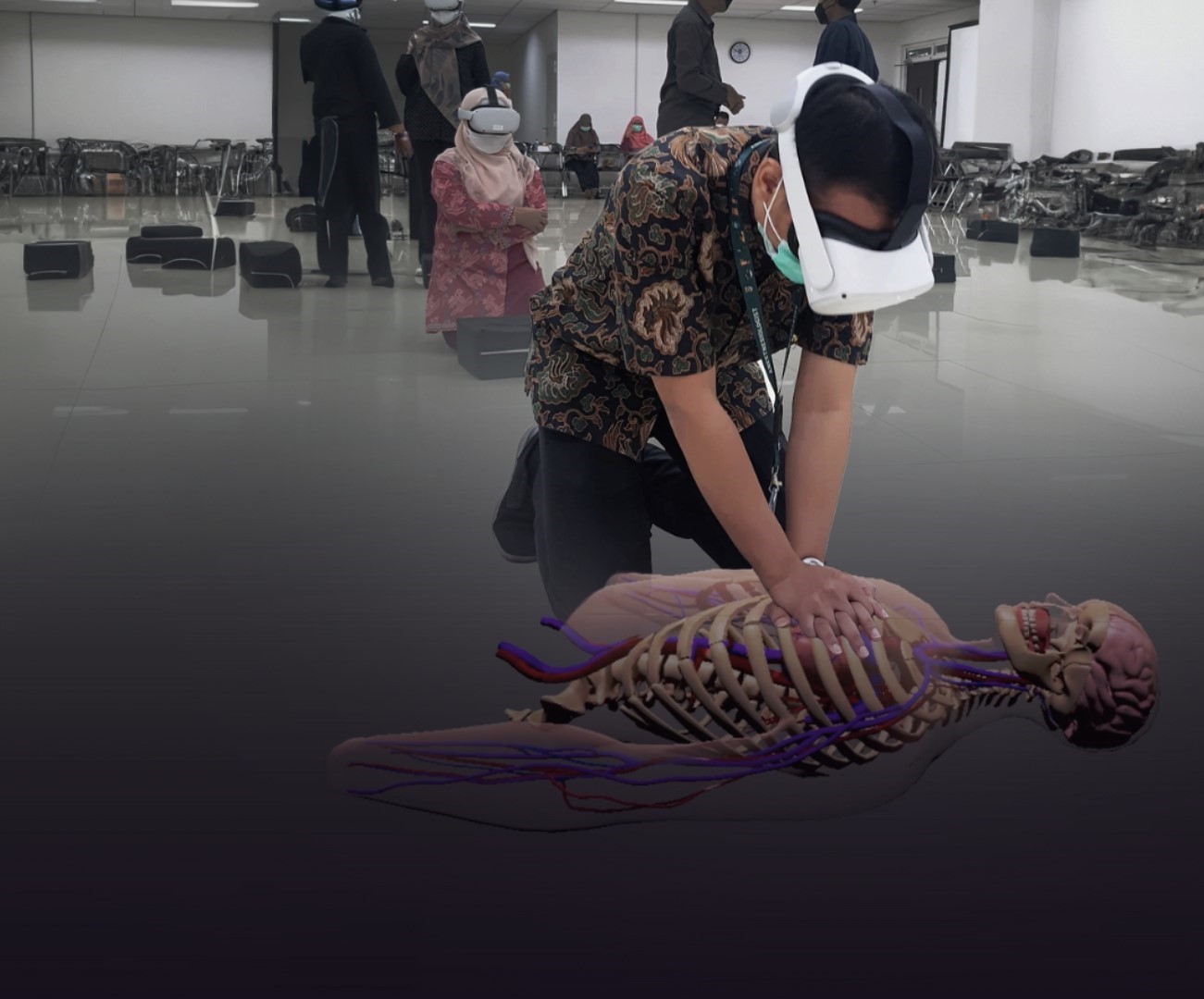
We specialize in developing advanced VR, AR, and Metaverse solutions tailored for medical and healthcare projects. Our focus is on creating immersive and interactive experiences that significantly enhance training, education, and patient care. By leveraging the latest technologies, we provide healthcare professionals with realistic simulations and engaging environments that allow for hands-on practice without the risks associated with real-life procedures.
Our projects include detailed anatomical models, complex surgical simulations, and patient interaction scenarios, all designed to improve the proficiency and confidence of healthcare providers. These virtual environments facilitate continuous learning and skill enhancement, enabling practitioners to stay updated with the latest medical techniques and protocols.
Moreover, our solutions are customizable to meet the specific needs of different medical specialties, ensuring that each project delivers maximum impact and relevance. By integrating VR/AR/Metaverse technologies into healthcare, we are bridging the gap between theoretical knowledge and practical application, ultimately leading to better patient outcomes and more efficient healthcare delivery.
In addition to professional training, our VR applications extend to patient interventions such as anxiety management, pain management, and group therapy sessions within the Metaverse. These applications are designed to enhance patient comfort and accelerate the healing process. For example, VR can be used to create calming environments to help manage anxiety before procedures, immersive pain distraction techniques to reduce the need for medication, and virtual support groups where patients can interact and share experiences, fostering a sense of community and support.
The utilization of these technologies not only helps in improving the quality of care but also significantly enhances patient comfort, leading to faster recovery times and better overall health outcomes. Through our innovative VR/AR/Metaverse solutions, we are committed to transforming the healthcare landscape by providing tools that benefit both healthcare providers and patients alike.
CONSULTATION VR/AR/METAVERSE IN MEDICAL AND HEALTHCARE
Our expert consultation services guide healthcare institutions and professionals in implementing VR, AR, and Metaverse technologies, providing strategic insights and practical solutions for integrating these cutting-edge tools into their workflows.
Before embarking on a project involving VR, AR, or Metaverse technologies, it is crucial to consider several key aspects to ensure successful implementation and maximum impact:
- Needs Assessment: Identify the specific needs and challenges of your healthcare institution or practice. Determine how VR/AR/Metaverse technologies can address these issues and what goals you aim to achieve with their integration.
- Stakeholder Involvement: Engage key stakeholders to gather input and ensure their support, especially for the concept.
- Technical Feasibility: Assess the technical infrastructure and resources available. Ensure that your institution has the necessary hardware, software, and network capabilities to support VR/AR/Metaverse applications.
- Training and Support: Plan for comprehensive training programs to familiarize staff with the new technologies. Ongoing support and troubleshooting are critical to maintaining the effectiveness of the implemented solutions.
- Content Customization: Work with Medimedi as an experts to customize VR/AR/Metaverse content to fit the specific needs of your medical specialty or practice. Tailored solutions will provide the most relevant and impactful training and patient care experiences.
- Cost-Benefit Analysis: Consider the financial investment required and weigh it against the expected benefits or outcomes of the project.
- Regulatory Compliance: Ensure that all VR/AR/Metaverse applications comply with relevant healthcare regulations and standards. This includes data privacy, patient safety, and clinical guidelines.
By addressing these critical factors, healthcare institutions can effectively integrate VR/AR/Metaverse technologies into their workflows, leading to enhanced training, improved patient care, and overall better healthcare outcomes. Our consultation services are designed to assist you at every step, from initial planning to successful implementation, ensuring that your institution fully benefits from these innovative solutions.
VR/AR/METAVERSE IN MEDICAL AND HEALTHCARE WORKSHOP
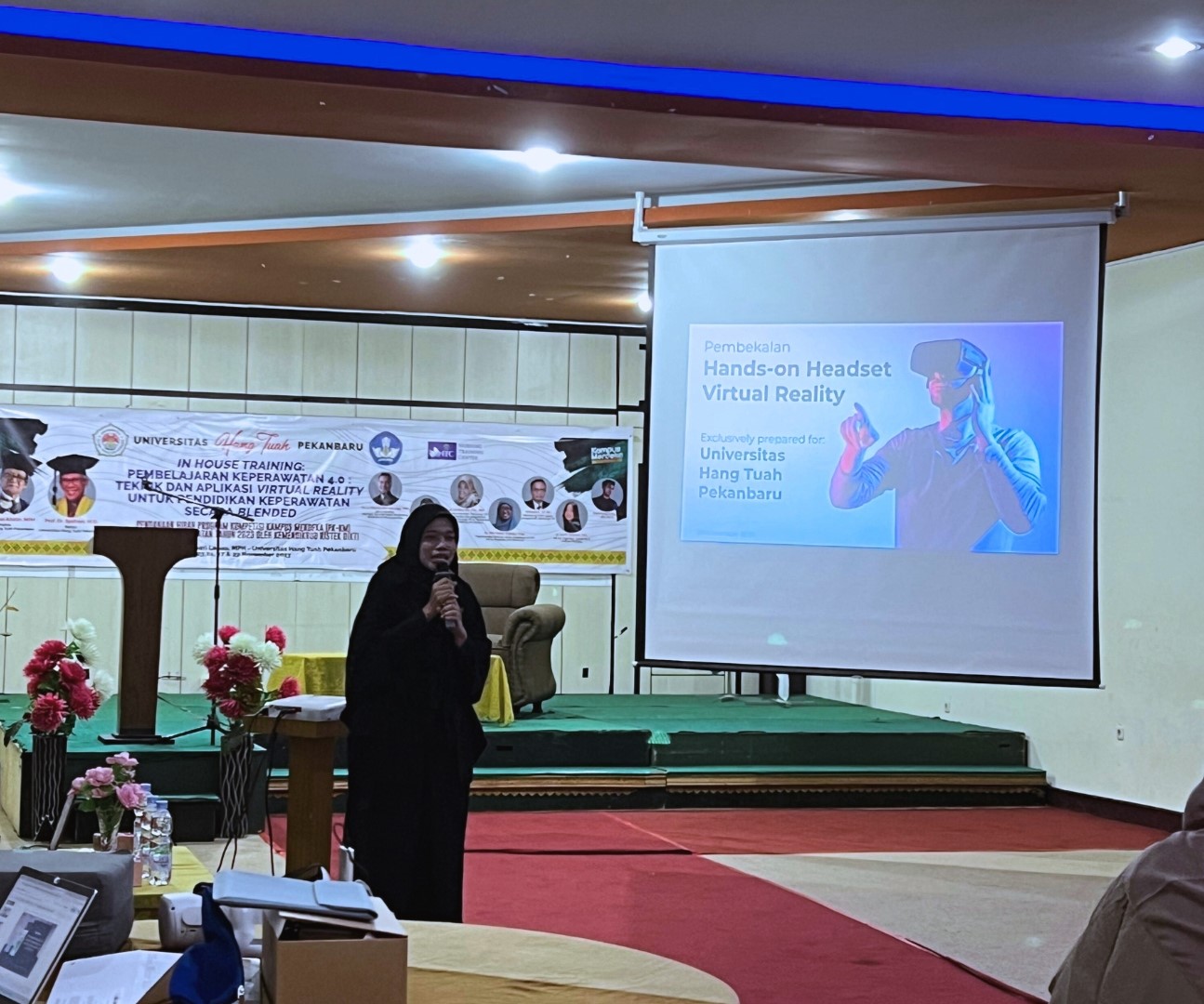
To effectively harness the potential of VR, AR, and Metaverse technologies in healthcare, gaining deep insights into these technologies is essential. Here’s how you can acquire valuable information and make informed decisions:
- Understand the Technology: Begin by familiarizing yourself with the fundamentals of VR (Virtual Reality), AR (Augmented Reality), and Metaverse technologies. Understand their functionalities, applications, and how they differ from one another. This foundational knowledge will help you grasp their potential benefits for healthcare.
- Explore Use Cases: Research and review existing use cases of VR/AR/Metaverse technologies in the medical and healthcare fields. Look at how these technologies have been applied in areas such as surgical training, patient education, pain management, and mental health therapy. Analyze case studies to understand their impact and effectiveness.
- Hands-on VR Experience: Hands on with VR and many application to gain some insight and the advantages of this technology.
- Experience simple VR creation: Workshop in create simple VR, how the development process.
- Consult Experts: Engage with technology experts and consultants who specialize in VR/AR/Metaverse applications for healthcare. Their expertise can provide you with tailored insights and recommendations based on your specific needs and objectives. They can also help identify potential challenges and solutions.
- Evaluate Technological Trends: Stay updated with the latest trends and advancements in VR/AR/Metaverse technologies. Follow industry news, attend relevant conferences, and participate in webinars to learn about emerging innovations and how they could be leveraged in healthcare.
- Assess Potential Benefits: Consider the potential benefits of integrating these technologies into your healthcare practice. Evaluate how VR/AR/Metaverse solutions can enhance training, improve patient outcomes, streamline workflows, and address specific challenges within your organization.
By following these steps, you can gain a comprehensive understanding of VR/AR/Metaverse technologies and their applications in healthcare. This insight will enable you to make informed decisions, ensuring that you effectively leverage these technologies to enhance training, improve patient outcomes, and drive innovation in your healthcare practice.